Selling a starter home in San Bruno can feel like a high‑stakes puzzle. You want strong offers, a smooth timeline, and a plan that works for your next move. With prices still elevated on the Peninsula and buyers watching every dollar, a clear strategy makes all the difference. In this guide, you’ll get a local market snapshot, smart prep steps, pricing and marketing tips for San Bruno, and a simple way to compare offers with confidence. Let’s dive in.
San Bruno market: what to expect now
San Bruno’s market remains competitive compared to most U.S. metros. Recent snapshots show a median list price around $1,098,000 and a median rent near $2,950 per month. Days on market often hover around four weeks, and sale‑to‑list ratios tend to sit close to 100 percent. These numbers shift quickly with season and inventory, so use them as context, not a final answer.
Online sources can differ because they use different methods. For example, monthly medians can swing when only a few homes close, while index‑style measures show a broader trend. That is why a local comparative market analysis, built from recent nearby sales in your price band, is the best way to set your asking price.
San Mateo County is one of the most expensive counties in California, so affordability pressures shape who is shopping and what they value. County and regional trends add helpful context when you plan your pricing and timing. You can review county‑level news for added perspective in the California Association of REALTORS® monthly update.
Key takeaways for sellers
- Precision pricing matters more than heavy renovations for most starter homes.
- Buyers often prioritize move‑in‑ready condition and transit access, including the San Bruno BART station and nearby Caltrain connections.
- Expect interest from first‑time buyers in the lower price bands and from investors on turnkey, rental‑ready properties.
Decide: sell first or buy first
You have two main paths. Each has trade‑offs, so weigh the financing and timing you need.
Sell first
- Pros: no home‑sale contingency on your next purchase, stronger leverage, and no double mortgage.
- Cons: you may need temporary housing or a short rent‑back after closing.
- Timing: many Peninsula transactions close in about 30 to 60 days, depending on financing and inspections.
Buy first
- Pros: you move once and avoid a rushed home search.
- Cons: you may need cash reserves, qualify for two mortgages, or use short‑term financing like a bridge loan or HELOC. Programs exist in California, but costs and terms vary. Review options with a lender and learn the basics in this overview of bridge loans in California.
Middle‑ground options
- Rent‑back after closing, so you can stay in the home briefly while you finish your purchase.
- Contingent offers with firm timelines.
- Bridge or interim equity programs that let you move first, then sell.
Competitiveness and cost vary with market heat. Your agent can help you match the approach to your listing’s demand.
Smart pre‑listing prep that pays off
You do not need a full remodel to maximize value. Focus on high‑impact, low‑cost moves that improve photos, showings, and buyer confidence.
- Declutter, deep clean, and depersonalize. Many sellers DIY, or you can hire pros. A quick overview of typical seller costs is available here: common selling fees and prep.
- Fresh neutral paint touchups, especially in living areas and trim. Neutral tones help buyers picture themselves in the space.
- Fix safety and obvious maintenance items. Address nonworking outlets, visible leaks, sticky doors, and HVAC filters. A short pre‑listing inspection can help you spot issues to control upfront. Learn how a pre‑listing inspection can reduce renegotiation risk in this seller prep guide.
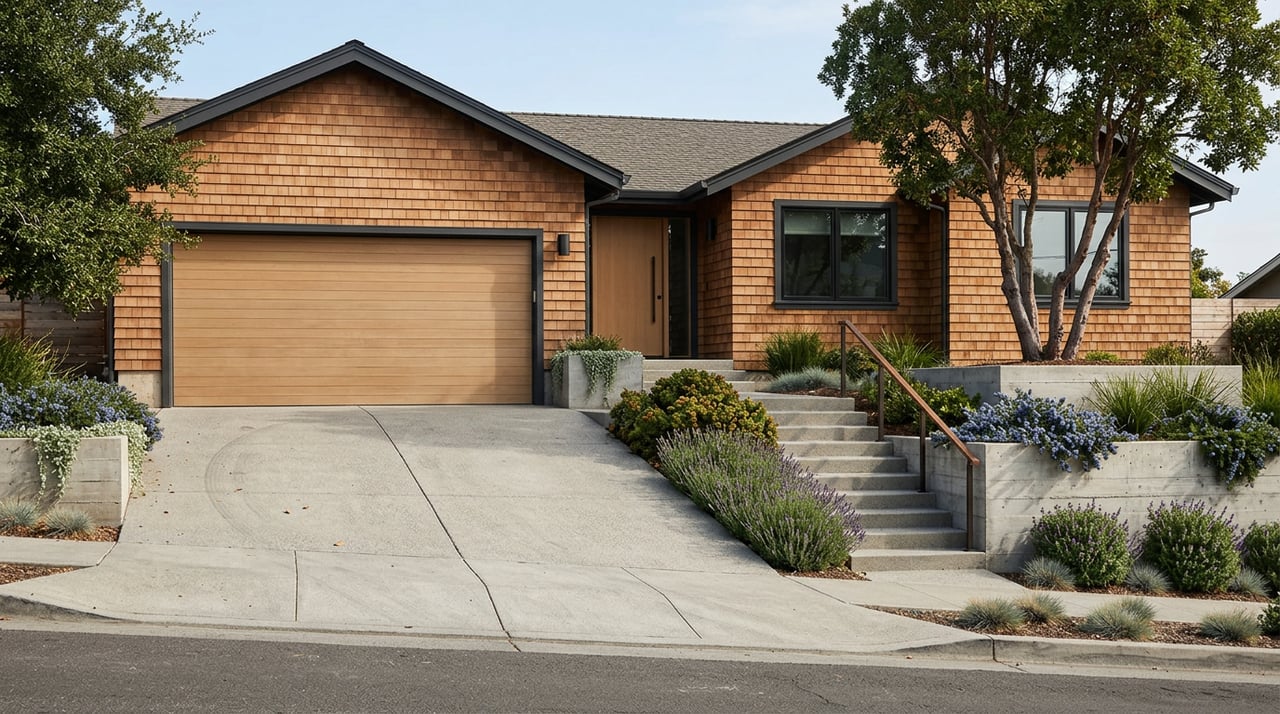
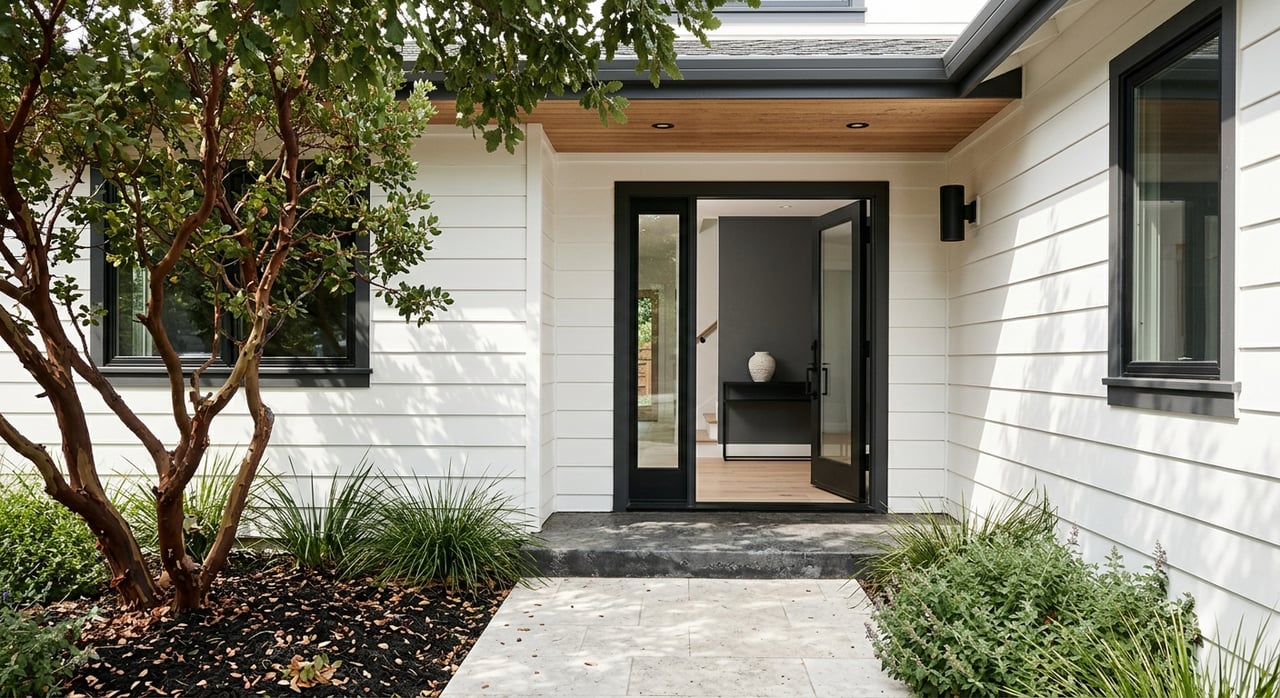
- Curb appeal refresh. Mow and edge, trim shrubs, update house numbers or the mailbox. First impressions matter.
- Stage key rooms or use targeted virtual staging. The National Association of REALTORS® reports that staging often reduces time on market and can lift offer prices, with many agents reporting a 1 to 10 percent impact for staged homes. See highlights from the 2025 Profile of Home Staging.
Disclosures to plan for in California
Get your required disclosures lined up early to avoid delays.
- Transfer Disclosure Statement and Natural Hazard Disclosure are mandatory for most residential sales. See the C.A.R. quick guide on Natural Hazard Disclosure requirements.
- Homes built before 1978 require federal lead‑hazard disclosures and delivery of the EPA and HUD pamphlet. Learn more on the EPA’s lead page.
Ordering the NHD early and gathering permits, receipts, and inspection reports can speed up buyer review and reduce post‑offer negotiation risk.
Price and position your starter home
Build your price from a local CMA
Portals show helpful signals, but their numbers can diverge. A local CMA that uses three to six recent, nearby closings for similar homes is the most reliable pricing tool. Your agent will also consider current competition, condition, and list‑to‑sale patterns.
If you want first‑time buyer interest
First‑time buyers often look for practical value: move‑in‑ready condition, clear maintenance history, and convenient commuting options. Nationally, the share of first‑time buyers has been smaller in recent years, which means the local buyer pool can be more price‑sensitive. See the latest context in NAR’s update on the changing first‑time buyer share. To stand out:
- Price close to fair market value instead of padding.
- Offer small credits for closing costs when needed.
- Provide recent mechanical and permit receipts to build trust.
- Be flexible on closing date where possible.
If you welcome investor offers
Investors focus on yield and ease of renting or flipping. Investor activity in California has been notable, with one report showing investors accounted for about 33 percent of purchases in Q2 2025. See details in this investor share snapshot. To attract strong investor bids:
- Share rental history or provide a rental market estimate. A recent local snapshot showed a median rent around $2,950 per month, which helps investors evaluate cash flow.
- Clarify if utilities are separated and include any recent upgrades.
- Provide clean, transferable lease documents if the home is tenant‑occupied.
Marketing that works in San Bruno
Strong presentation and clear local benefits move the needle.
- Lead with transit and commute. Highlight proximity to the San Bruno BART station, Caltrain access at San Bruno or Millbrae, and typical commute patterns using Caltrain’s station map.
- Showcase low‑maintenance features. Newer roof, furnace, water heater, and permitted work are big pluses.
- Use high‑quality photography and a 3D or virtual tour. Staged and well‑presented homes tend to get more views and sell faster, supported by the NAR staging profile.
- Leverage premium marketing assets. Video tours, property microsites, and targeted digital distribution help your listing stand out.
Evaluate offers with confidence
Look beyond the headline price
When offers arrive, compare the key risk and timing factors:
- Financing strength: fully underwritten pre‑approval or proof of funds.
- Down payment and reserves.
- Contingencies: inspection, appraisal, and financing.
- Requested credits or concessions.
- Closing date and flexibility for a rent‑back if you need time.
- Certainty of close, especially for financed buyers.
A slightly lower, cleaner offer can beat a higher but fragile one. If an appraisal gap is likely, ask buyers to specify gap coverage and provide proof of funds. Appraisal alternatives, also called value acceptance, may apply for some loans. Review current practices in Fannie Mae’s property valuation FAQs.
Strategies for multiple offers
- Set an offer deadline and request best‑and‑final terms.
- Consider escalation clauses, and confirm how appraisal and financing will work if price rises.
- Request backup offers to protect against fallout.
Your agent can structure these choices so you keep leverage without adding unnecessary risk.
Closing costs, taxes, and timeline
- Commissions: still commonly in the 5 to 6 percent range in California, and always negotiable. See an overview of typical seller costs.
- Transfer tax: San Mateo County collects a documentary transfer tax of $0.55 per $500 of consideration, which is $1.10 per $1,000. Confirm any city‑level taxes with the County Recorder. Details are on the San Mateo County Recorder’s page.
- Federal home‑sale exclusion: many sellers can exclude up to $250,000 of gain if single, or $500,000 if married filing jointly, when primary residence rules are met. Review the IRS summary on the home sale exclusion and speak with a tax professional.
- Escrow timeline: 30 to 45 days is common on the Peninsula. Order the NHD early, complete your TDS, and gather permits and receipts before you go live.
A simple San Bruno seller checklist
- Meet with a local agent for a CMA and pricing plan.
- Declutter, deep clean, and complete light paint touchups.
- Fix obvious maintenance items after a quick pre‑listing inspection.
- Refresh curb appeal and stage key rooms or use virtual staging.
- Prepare disclosures: TDS, NHD, and lead pamphlet if the home is pre‑1978.
- Decide your move plan: sell first, buy first, or bridge option.
- Launch with strong photos, a 3D tour, and transit highlights.
- Set an offer plan, then compare terms beyond price.
Ready to move with confidence
Selling a San Bruno starter home rewards clear preparation, precise pricing, and a thoughtful offer strategy. If you want hands‑on guidance from valuation and staging to negotiation and closing, our family‑led team is here to help. Schedule a Consultation with Sayage Realty Group and get a tailored plan for your next move.
FAQs
How long does it take to sell a starter home in San Bruno?
- Recent snapshots show median days on market around 28 days, but timing varies by list price, condition, and season. A current CMA will give you a more precise estimate.
How should I price my San Bruno starter home?
- Build your price from a local CMA using recent, similar closings. Portal medians can diverge, so use them as context and lean on comps for accuracy.
Do I need to stage a small home to sell in San Bruno?
- Staging is not mandatory, but NAR reports it often reduces time on market and can lift offers. At minimum, stage or virtually stage the living room, kitchen, and primary bedroom.
What disclosures are required to sell a California home?
- Most sellers must provide the Transfer Disclosure Statement and the Natural Hazard Disclosure. Homes built before 1978 also require federal lead‑hazard disclosures and delivery of the EPA/HUD pamphlet.
What is a rent‑back, and when should I use one?
- A rent‑back lets you stay in the home for a short period after closing. It can bridge the gap if you need time to close on your next home or coordinate a move.
What taxes and fees should I plan for in San Mateo County?
- Budget for negotiated commissions, escrow and title fees, prorated property taxes, and the county documentary transfer tax of $1.10 per $1,000 of price. Ask a CPA about potential gain exclusion under IRS rules.
Is selling to an investor different from selling to a first‑time buyer?
- Investors focus on rent and ease of ownership, while first‑time buyers often want move‑in‑ready condition and clear maintenance history. Align your price, terms, and documents with the buyer profile you want to attract.